

Live dealer blackjack is an alternative built around different priorities than the typical online card game. For an Australian player, that usually means judging the experience by pace, table discipline, and how well the stream holds up when you’re playing on a phone between meetings. The appeal is less about spectacle and more about whether the mechanics actually behave like a live floor, without the friction that kills session flow.
Why Table Discipline Matters More Than Screen Polish
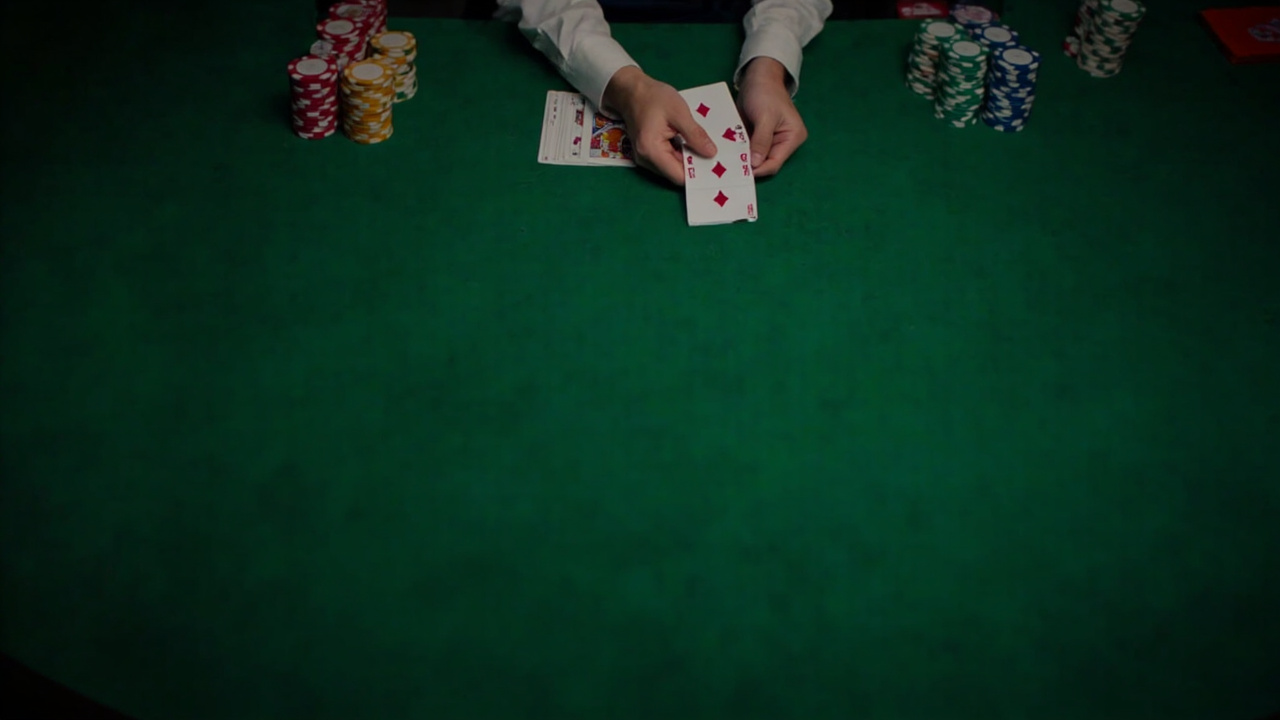
In a high-volume operation, the first thing I look at is not the graphics but the rhythm. Live dealer blackjack should feel like a table that has been set up for turnover, not a slow broadcast with long dragon-link-online-free.com gaps between hands. That means consistent dealing cadence, clear hand signals from the croupier, and a layout that doesn’t ask the player to hunt for the next decision. When I run a busy floor, we measure labour efficiency by how much idle time sits between bets and payouts; the same logic applies here, only the “dealer” is a remote presenter and the “pit” is your browser or app.
The table I’d keep an eye on for this kind of discipline is the one behind the is hellspin casino legit question, because the answer usually turns on whether the live tables are managed like a real operation or just dressed up as a stream. For an Australian player in Brisbane who might be squeezing in a session after work, the difference shows up in small things: how quickly the hand closes, whether the chat stays readable, and whether the betting controls stay responsive when the pace picks up. If the product is built around pace, the player notices it before they notice the studio lighting.
I asked Alice Nelson, Head of Analytics, Waratah Digital Group, how she separates a genuinely paced live table from one that just looks tidy on a feed. She said the tell is whether the hand cycle holds its shape when traffic spikes, not just when the room is quiet. That is the kind of judgement call I make on a floor as well: a table can look polished and still lose its discipline the moment the room gets busy.
Mobile Fit Is Where Most Live Tables Earn Or Lose Trust
Most players will not sit at a desktop for long, so the mobile experience needs to work first, not as an afterthought. Responsiveness matters less as a buzzword and more as a practical question: can you place a bet, read the shoe, and follow the dealer’s move without the controls shifting under you? On a phone, navigation has to stay simple enough that you are not relearning the layout every time you open the tab. Performance is the same story; a stream that stutters during a hand is not a cosmetic issue, it is a table issue.
I’ve seen operators treat mobile as a smaller version of the desktop product and then wonder why sessions feel clunky. The better approach is to design for the phone the way you would design for a crowded table: fewer distractions, clearer actions, and a layout that respects the player’s thumb and attention span. That is where the experience either feels like a proper live table or starts to feel like a broadcast you have to fight to follow.
For players comparing live dealer blackjack options, a useful read on live tables and provider fit is best live blackjack picks, especially if you want to see how different setups handle the same basic demands of pace, readability, and table flow. I’m not interested in a catalogue; I’m interested in whether the table keeps its shape when the player is on a phone and the session is short.
What A Mobile-First Live Table Should Actually Do
A mobile-first live table should let you move through a hand without thinking about the interface. The betting controls need to stay where you expect them, the shoe and discard tray need to be legible on a small screen, and the dealer’s movements should be easy to track without zooming and scrolling. When I’m judging a floor, I want the game to be obvious from the player’s side; the same standard applies here. If the player has to work to read the table, the design has already lost part of the room.
Sienna Hall, Gaming Technology Consultant, Kangaroo Point Analytics, pointed out that the real test is whether the stream and the betting layer stay in step when the connection is less than perfect. That is a practical caveat, not a marketing line. In a live environment, the player is not trying to admire the studio; they are trying to follow the hand and make a decision in time. Mobile usability is really about whether the table gives the player that window without friction.
Where Performance And Navigation Start To Matter
Performance shows up in the moments that matter most: the seconds before the cards are dealt, the pause after a decision, and the hand-off into the next round. Navigation matters the same way, because a player who is switching between tables, checking bet history, or adjusting a stake should not feel like they have dropped into a different product each time. In my own operation, I want the table to behave the same way every time so the staff can anticipate the flow; for a player, that consistency is what makes the session feel controlled rather than chaotic.
A short Brisbane afternoon session should not feel like a technical exercise. If the stream holds, the controls stay put, and the hand cycle is steady, the product has done the hard part. If not, no amount of studio polish will rescue the experience once the player is on a phone and the pace is real.
Matching The Table To What Players Actually Need
Live dealer blackjack works best when it is treated as a specific kind of session, not a catch-all product. Some players want a steady table they can drop into for a short run; others want enough structure to follow the game without drifting. The right fit is the one that respects those priorities instead of pretending every player wants the same thing. For an Australian audience, that often means a table that is easy to enter, easy to read, and easy to leave without the experience feeling half-finished.
I’d rather see a live table that is consistent and readable than one that tries to impress and then loses its shape under normal use. The player’s needs are straightforward: a clear hand cycle, a stable stream, and controls that don’t get in the way. When those pieces line up, the experience feels less like a broadcast and more like a table you can actually play.
| Detail | What It Means On The Table |
|---|---|
| Positioning | Live dealer blackjack built around pace and table discipline, not spectacle |
| Games/providers | Standard live blackjack tables with a steady dealing cadence |
| Bonus mechanics | Table-compatible promotions with clear terms, not a separate maze |
| Payments/currencies | Australian dollar focus with familiar payment paths and clear limits |
| Registration | Straightforward sign-up with identity checks handled before play |
| Mobile | Browser and app fit designed for short sessions and readable tables |
| Support | Accessible help for table, stream, and account questions during play |
| Loyalty | Simple return mechanics that recognise regular play without overcomplicating the table |
Verdict
Live dealer blackjack earns its place when it behaves like a disciplined table first and a polished stream second. For an Australian player, the useful judgement is whether the pace holds, the mobile experience stays readable, and the table gives you a clear window into the hand without asking you to work for it. If those pieces are solid, the product has done the job; if they are not, the spectacle does not carry it.
Comments are closed