

What the insurance bet actually covers

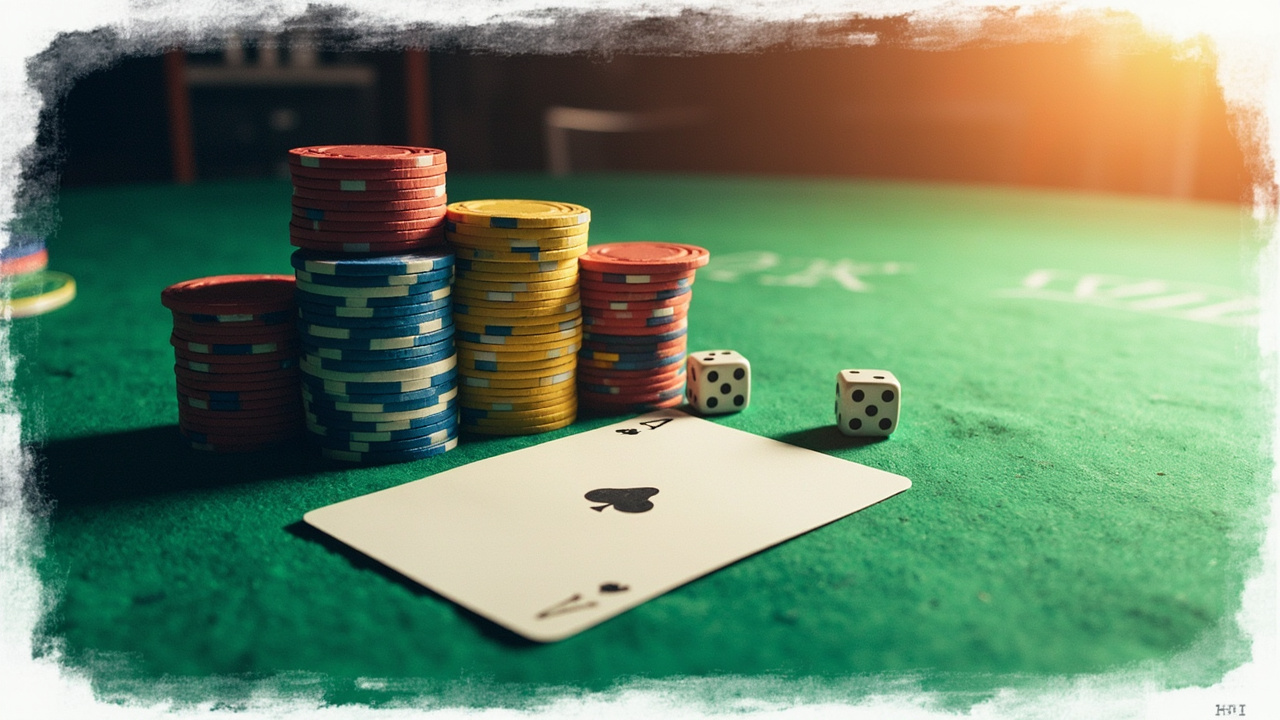
When the dealer flips an ace, the game pauses and the table offers a side wager that pays out if the hole card is a ten-value. It is a simple proposition, but plenty of punters treat it like a safety net when really it is a separate maths problem running alongside the main hand. The payout sits at two to one, yet the odds of the dealer completing a blackjack are worse than those odds suggest over a full session. I have seen lifecycle campaigns built around this exact moment, where the messaging tries to frame the offer as protection rather than a statistical drag. That is the same instinct that makes a welcome bonus feel generous while the ongoing terms quietly tighten the funnel. If you are sorting through a blackjack insurance bet guide, the first thing to check is whether the operator presents the option as a genuine choice or as a default tap that nudges your bankroll toward the edge.
Reading the odds before you tap the side bet
The dealer only has one card face up, which means the insurance decision hinges on what could be hiding underneath. A ten-value card would complete a blackjack, and that is the only outcome that pays the side wager. Everything else leaves you losing the insurance stake while the main hand continues as normal. The trick is that a standard deck holds sixteen ten-value cards against forty non-tens, so the immediate probability sits against you once the ace is showing. Some players lean on card counting to tilt that balance, but most online tables shuffle frequently enough that the count resets before you can build a reliable read. I have worked on membership flows where the retention logic depends on giving members a reason to return without promising something the maths cannot support. Insurance is the opposite of that: it is a small, frequent leak that feels harmless until the session adds up. A solid blackjack insurance bet guide should spell out that tension plainly, because treating the side bet like a hedge is how casual play turns into a slow bleed.
The payout versus the real chance
Two to one sounds fair until you line it up against the deck composition. Sixteen tens against forty-four other cards means the dealer completes 88fortunesfreeslots.com a blackjack roughly one in three times when an ace is exposed, which is worse than the payout requires to break even long term. That gap is the whole point of the bet, and it is why sharp players usually pass unless the count is heavily skewed. Even then, the online shuffle patterns matter more than a quick glance at the shoe. If you are comparing tables on a site like chicken-road-2-au.com, look for how often the shoe resets and whether the rules around doubling and splitting give you more control than the insurance side bet ever will.
When the count actually matters
Card counting is the only situation where insurance can tilt from a bad idea to a borderline play, because a shoe loaded with tens raises the chance the hole card is worth ten. That shift is real, but it is also rare in digital tables that reshuffle after every hand or use continuous shuffling machines. I have seen CRM segments built around “high-frequency players” who think they have spotted a pattern, when really the session length and bet size are the only reliable signals. If you do find a live table with deep penetration and slow shuffles, the insurance decision stops being automatic and starts being a count-based call. Everything else is just paying for the feeling of coverage.chicken-road-2-au.com A smarter way to explore online
Why the dealer’s up card changes the feel
An ace up card changes the table mood instantly because everyone knows the hole card could end the hand before you act. That tension is exactly what the insurance bet monetises, and it works because the brain prefers a small certain loss to a bigger uncertain one. The problem is that the certainty is only on the payout side, not on the odds. I have run lifecycle tests where a softer prompt outperformed a hard warning, because players respond to context more than to a flat rule. The same applies here: the ace is a signal to slow down and think, not a cue to buy protection on autopilot.
Who should care about insurance and who should skip it
The players who benefit most from a careful read on insurance are the ones treating blackjack as a repeatable session rather than a single lucky spin. If you are chasing a bonus round or a tournament leaderboard, the side bet rarely fits because it pulls money away from the main hand where the real action sits. For a quieter arvo on the Gold Coast, where the goal is a steady session with a cold drink and a clear stop-loss, skipping insurance is usually the cleaner call. I have built retention loops for membership programmes where the value came from recurring perks and cashback rather than one-off hooks, and the same logic applies to a table choice: the long-term fit matters more than the momentary comfort. A smarter way to explore online blackjack and casino play is to match the bet structure to your session style, not to the dealer’s up card alone. If your plan is to play through a set bankroll with disciplined stops, insurance is a distraction you can leave on the table. If you are counting and the shoe is genuinely rich, it becomes a narrow tool rather than a habit.

When the dealer shows an ace, take a breath and check the shoe before you reach for the side bet. Skip insurance unless you have a real count reason, keep your main hand decisions tight, and treat the offer as a maths problem instead of a safety blanket. That approach keeps the session in your control and leaves the table with a clearer read on what actually worked.
Comments are closed