

The Signature Gancini Hardware: A Symbol Found Throughout Ferragamo Bags
Scarcely any fashion emblems carry the weight of instant recognition as powerfully as the Gancini clasp.
Belts, shoes, scarves, and, above all, the handbags that have anchored Salvatore Ferragamo’s renown for decades — these are the items where it appears.
The term “Gancini” loosely means “little hooks” in Italian, a fitting name for a design constructed from two interlinked horseshoe-shaped arcs.
Ever since it was formally introduced in the 1960s, this hardware has developed from a functional clasp into a house hallmark recognized on sight, similar to the double-C or the interlocking-G of other Italian fashion houses.
In a market saturated with logos and monograms, a Ferragamo bag continues to draw the eye — and grasping its backstory and present function helps clarify why that’s the case.
This article traces the Gancini’s origins, its technical variations across collections, and its relevance to shoppers browsing a Ferragamo shop today. Whether you’re comparing a Salvatore bag from the archive era against a 2026 seasonal release, or simply trying to identify the best Ferragamo bags for everyday use, the hardware itself offers a reliable guide.
Exploring the Genesis of the Gancini Symbol
Salvatore Ferragamo built his fashion house in Florence in 1927, but the Gancini motif wasn’t formalized until the 1960s, long after his death in 1960, under the direction of his wife Wanda Ferragamo. The silhouette takes inspiration from an embellished wrought-iron gate motif at the original Florence store, later reshaped into the twin-hook silhouette seen in current designs. Early applications were subtle: a discreet clasp fixed to a shoe strap, a fastening detail on a belt. This restrained approach stood apart from the flashy logo branding many luxury houses adopted in the 1980s and 1990s.
By the 1970s, the Gancini had migrated onto handbag hardware, appearing as a turn-lock closure on structured totes and box bags. This gave the house a recognizable detail without needing large lettering across the canvas. Archival pieces from this period, now sought after by collectors, show the clasp in brass-toned metal with a matte or lightly polished finish. The restraint of these early designs is part of why vintage Salvatore Ferragamo bags still trade actively on the resale market, often at prices that reflect their rarity rather ferregamo.org than their original retail cost.
The insignia’s enduring pull is rooted in its split purpose: it operates as a mechanical part before it’s a brand mark. Because a clasp must release and fasten without fail over thousands of uses, Ferragamo’s engineering teams approached the Gancini as much as a mechanical component than a decorative one. Even as it rose in prominence through the 1990s and 2000s, the symbol never came across as a mere novelty, thanks in part to this functional basis.
How the Hardware Turns Up Throughout Bag Lines
The way the Gancini is used varies from style to style, and recognizing the nuances is useful when you’re pinning down a specific style or figuring out what complements your wardrobe. A number of collections feature the clasp as a full front closure, working and structurally supportive. Some use it purely as an adornment, attached onto a flap with zero functional latch. A smaller subset incorporates a shrunken take as a pull tab or strap link, which tends to appear on crossbody bags and camera-bag silhouettes.
The hardware finish likewise changes by collection and by year. Gold-tone hardware remains the most common across the current lineup, but silver-tone and gunmetal versions appear on select seasonal drops, particularly in bags aimed at a more pared-back, tonal look. A few 2025 and 2026 drops bring in a matte-brushed Gancini finish, a shift away from the traditionally polished look, created for buyers who want the brand-signaling detail without the gloss.
- Full-size turn-lock mechanisms: found on rigid top-handle and flap-style bags, functioning as the main closing-and-opening feature.
- Ornamental accents: scaled-down Gancini motifs affixed to totes, pouches, and soft shoulder bags where a closing mechanism wouldn’t work.
- Miniature hardware accents: applied to zipper pulls, card holders, and crossbody strap connectors.
- Embossed or woven takes: the Gancini form imprinted in leather or woven through raffia and canvas materials on resort-season pieces.
This variety means that a shopper looking through the Ferragamo shop today has more entry points than in decades past. A buyer who wants the clasp front and center can choose a bag where the clasp is the centerpiece of the design. A buyer who favors understatement can discover the same symbol scaled down to a discreet detail on a strap.
Craftsmanship and Materials Supporting the Hardware
Usually molded in brass and then coated with gold-tone or palladium finishes based on the bag’s color story, the clasp itself takes this form. Inspection standards for this hardware has historically been strict, since the clasp absorbs the greatest wear of any part on a structured bag. A turn-lock that jams or becomes loose fast damages the luxury impression regardless of how fine the leather appears.
Material pairings alongside the hardware also shifted over the decades. Early Salvatore Ferragamo bags favored a fine-grained calfskin with barely-there texture, enabling the Gancini clasp to be highlighted on a clean surface. Subsequent lines brought in saffiano-style textured leathers, exotic skins for limited runs, and in recent years, eco-conscious material mixes such as recycled nylon paired with leather trim. Hardware finishes tend to appear in gold or aged-brass tones against darker leathers, and in silver or nickel tones against pastel or neutral palettes, a styling decision that has remained fairly consistent since the 1980s.
Weight is another factor purchasers tend to underweigh. An entirely metal turn-lock mechanism adds measurable heft to a bag, which matters for anyone choosing between a go-to tote and an nighttime clutch. Bags with the decorative, non-functional Gancini typically weigh less, since the fittings are more compact and often hollow-cast rather than solid.
Weighing Up Common Gancini-Hardware Styles
To ground these differences in specifics, here’s a comparison of four common Ferragamo bag categories that put the Gancini hardware on clear display. This doesn’t cover every single Salvatore Ferragamo bag out there, but it takes in the styles most often talked about when shoppers look up the best Ferragamo bags or the top Ferragamo bags for daily use.
| Bag Category | Gancini’s Role | Typical Hardware Finish | Ideal For |
|---|---|---|---|
| Structured top-handle bag | Full-scale turn-lock mechanism | Glossy gold-tone plating | Office and formal daywear |
| Slouchy shoulder hobo | Decorative appliqué | Softly brushed silver plating | Casual daily rotation |
| Camera-style crossbody | Small strap embellishment | Gunmetal or matte gold | Traveling and hands-free days |
| Evening clutch | Little clasp or embossed touch | Glossy gold or gem-set | Formal occasions |
Each of these categories serves a different purpose, and the metal finish frequently indicates which setting the bag was made for. A polished gold turn-lock reads more formal, while a softer, matte finish is better for daily adaptability. If you’re trimming down options from a Ferragamo shop, coordinating the hardware finish with accessories you already own (belts, shoes, jewelry) is a sensible approach to keep an outfit cohesive without overthinking it.
Spotting Fakes: the Gancini in 2026
As secondhand and resale channels for designer goods have grown more prominent, checking the Gancini clasp has become one of the earliest steps authenticators take on a suspected Ferragamo bag. Real hardware features clean, uniformly weighted casting, with smooth, seamless edges where the metal was cast. Fakes often misjudge the proportions, showing up too broad, too slim, or mismatched between the two interlocking hooks.
How sharp the engraving is also counts. On genuine items, whatever lettering or logo is stamped on the clasp’s underside stays sharp and uniform in depth. Soft, shallow stamping is a frequent giveaway on fakes. Buyers shopping vintage Salvatore bags on resale platforms should request close-up photos of the hardware from multiple angles before purchasing, since exterior leather shots alone seldom show these details.
The label’s design team, approaching 2026, has continued to lean on the Gancini as a unifying thread across upcoming collections, while handbag shapes shift toward looser, more relaxed forms shaped by broader industry trends. Coverage of the latest runway shows and lookbook reveals point to at least three new colorways of Gancini hardware finish making their debut this year, including a rose-gold variant meant to widening the accessory’s appeal to a younger customer base. Brand identity rests on this kind of continuity: no matter how loose or unstructured handbag silhouettes become, the hardware holds each new release connected to nearly sixty years of design history.
Finding Your Ideal Gancini Bag
Deciding among Ferragamo’s offerings boils down to how noticeable you want the branding to be and how the bag works with your everyday life. A structured top-handle with a full turn-lock delivers durability and a professional look if you transport a laptop or documents on a daily basis. If ease and a lighter load are your priority, a soft hobo with a decorative Gancini accent blends recognizability with effortless wearability.
Consider also the finish relative to your wardrobe’s current metal tones. Mixing gold and silver hardware across accessories isn’t a fashion crime, but many shoppers prefer consistency, so checking your most-worn jewelry and belt buckles before choosing a bag’s hardware tone can save a return trip.
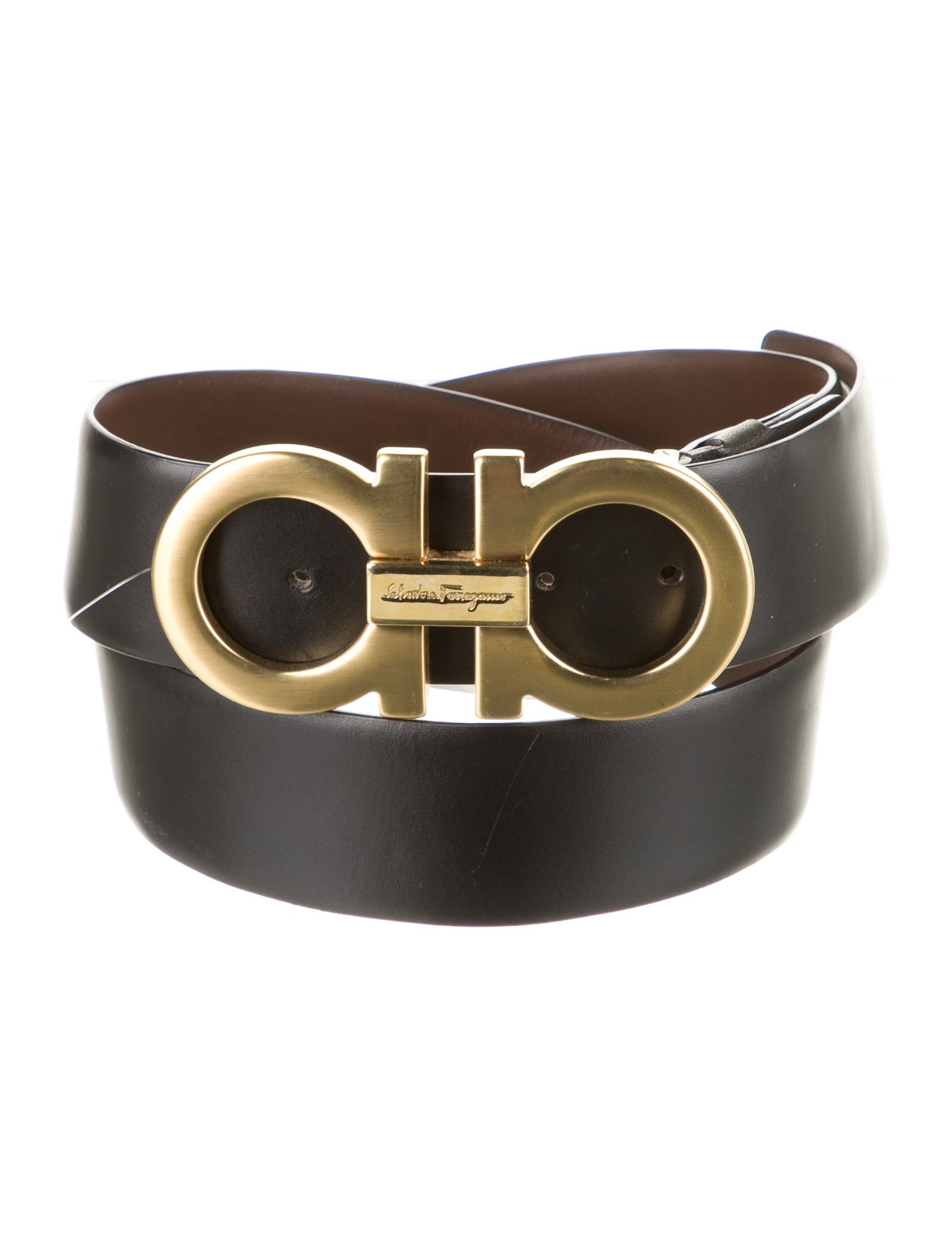
For newcomers building a first designer bag collection, opting first for a mid-sized crossbody featuring the miniature Gancini accent provides a lower financial commitment while still retaining the brand’s defining feature. More seasoned collectors often gravitate toward archival or limited styles specifically because the hardware reflects an earlier era of the house’s design language, before mass production scaled up. Either path, a shopper today has more documented information and more comparison points than at any previous point in the brand’s history, making it easier to choose confidently rather than by guesswork.
Comments are closed