

A bluff that fits the room
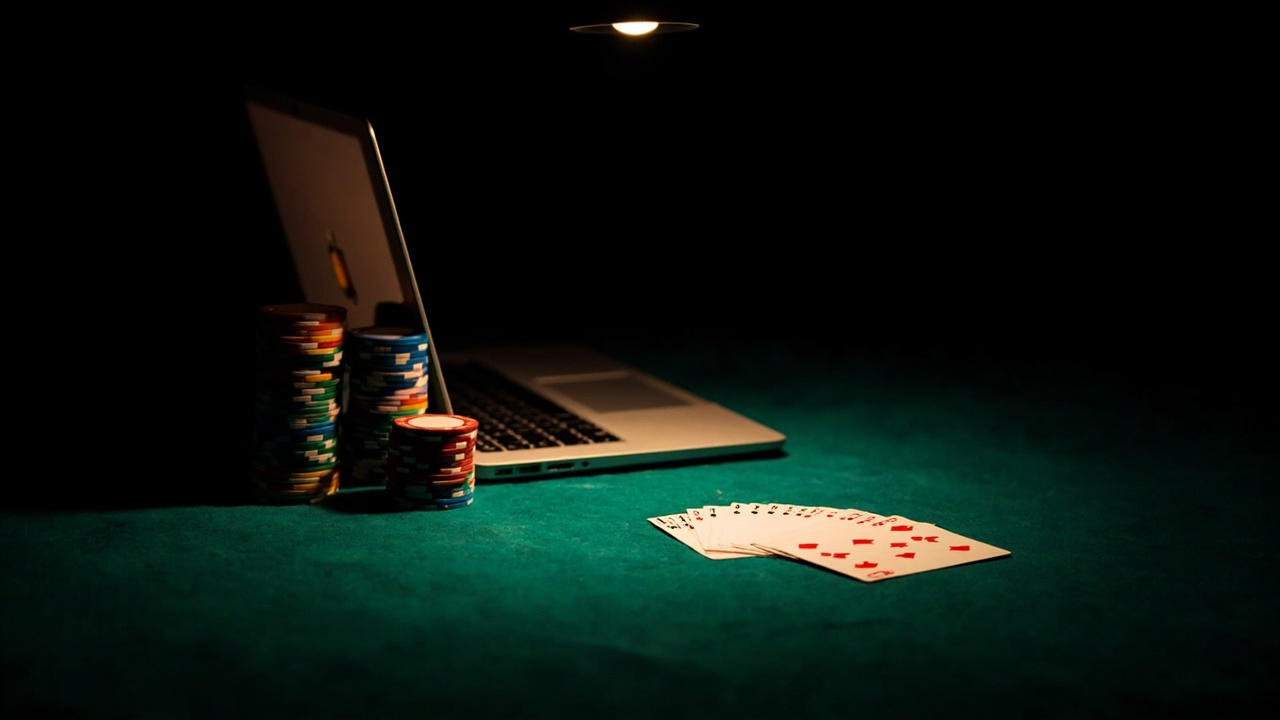
Online poker bluffing guide decisions work best when you treat the table like a probability space rather than a mood board. A well-timed bluff is just a bet sized to make the opponent’s calling range mathematically worse than folding, and that only holds when the board texture and your perceived range line up. I’ve spent more evenings than I care to count watching players throw chips at a story that never had any backing, so the first rule is simple: bluff with a plan, not with a hunch. If you can’t name the hands you want them to believe you hold, you’re just donating.
The Gold Coast card rooms have their own rhythm, and locals tend to call down lighter on a Friday arvo when the drinks are flowing and the tables are busy as. That changes the expected value of a semi-bluff on a wet board, because the calling frequency goes up and your fold equity drops. You can still make the move, but you size it to the actual range you’ve put them on, not the range you wish they had. When the pot odds are offering them a cheap call, a bluff only works if your line is credible enough to make that call painful.
I’ve always preferred models that treat each hand as a physics-driven event, where position, stack depth and board texture interact the way velocity and friction do on a spinning reel. That same mindset carries over here: a bluff isn’t a magic trick, it’s a weighted decision where the risk is visible if you do the sums first. Upfront wagering requirements on a new account can feel like a distraction when you’re trying to read a table, but they’re just part of the maths you have to clear before the real play starts, and you can see how that works with a stellarspins withdrawal once the bonus conditions are met.
Sizing and timing that holds up
A bluff only earns its keep when the sizing matches the story you’re telling, and that means your bet should look like a value bet would in the same spot. If you’re representing a strong hand on a dry board, a small sizing can be enough to get folds from weaker pairs, but on a coordinated board you usually need more weight to make the call unattractive. The mistake I see most often is players throwing in a uniform amount every time, which tells the observant opponent exactly what you’re doing before the river even arrives.Online Poker With PayPal: What Bruno
Position still does the heavy lifting, because acting last lets you see how the opponent reacts to the turn before you commit more chips on the river. A check from a cautious player on a scary card is a better spot to bluff than a call from someone who’s been aggressive all session, and the difference is in the frequency of their mistakes, not in whether they look nervous. You can build a credible line over three streets without overdoing it, but only if each street adds a little more pressure rather than suddenly doubling the pot out of nowhere.
Ongoing value after the welcome offer matters more than the first deposit ever does, because a table you can return to with cashback or a loyalty tally is one where your reads compound over time. A site that keeps a recurring promo or a tournament schedule running gives you reasons to play the same room again, and that’s where your memory of individual players starts to pay off. Chloe Clarke, Chief Financial Officer, Blue Mountains Interactive, put it plainly when she said, “A player who can’t see how the bonus maths clears will misread the table long before the river,” which is the kind of caveat worth keeping in mind when you’re sizing a bluff.
Reading the room without overdoing it
Reading a table is less about watching for tells and more about tracking how often each opponent deviates from a sensible range, because that’s where the actual edges live. A player who folds too much to aggression on the turn is a better target for a well-timed bluff than someone who calls with bottom pair just to see the showdown, and the difference is measurable if you pay attention across a few orbits. You don’t need to catalogue every gesture, just the decisions that repeat often enough to matter.
The Gold Coast scene has plenty of players who mix it up between casual sessions and serious money, so the same opponent might play tight early in the arvo and loosen up once the table gets busy as. That’s not a secret, it’s just a pattern you can use if you’re willing to adjust your own range instead of forcing the same line on every hand. A bluff that worked ten minutes ago might be the wrong play now, simply because the player in front of you has changed what they’re willing to call.stellarspins withdrawal

Mobile play and support matter here because a table you can follow on the phone is one you can read between orbits, and a room that answers questions quickly keeps the session from turning into a puzzle about the rules. PayPal is one of the cleaner ways to move money around if the operator supports it, and you can read more about that setup in this guide to online poker with paypal if you want to compare how different rooms handle the same payment path. The point is to keep the friction low so you can focus on the maths of the bluff instead of the mechanics of the deposit.
Glossary
- Fold equity: the chance your opponent folds, multiplied by the pot you win when they do.
- Semi-bluff: a bet with a hand that isn’t yet best but can improve to win.
- Pot odds: the ratio of the call amount to the total pot, used to judge whether a call is profitable.
- Board texture: how connected or dry the community cards are, which shapes how often hands improve.
Bluffing well is mostly about picking the spots where the maths already leans your way, then keeping your story consistent enough to make the call expensive. If you treat each hand as uptownpokies-onlineplay.com a decision with a visible risk rather than a moment to improvise, you’ll lose less when the bluff misses and win more when it lands.
Comments are closed